
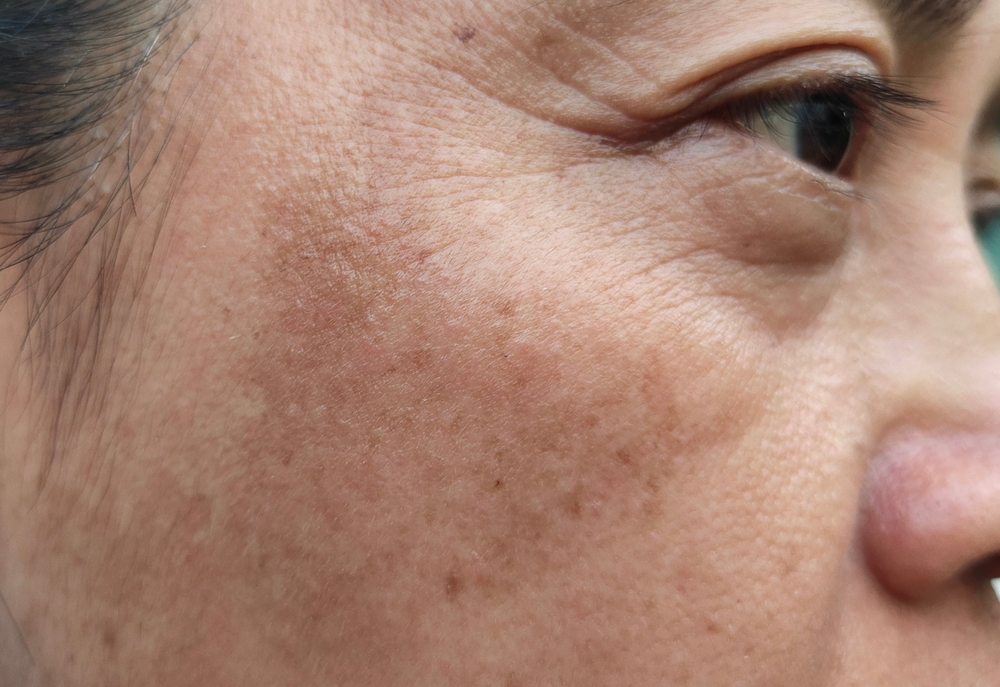
Dark spots can linger long after a breakout or become more noticeable after years of sun exposure. When discoloration leaves your complexion looking uneven, choosing a treatment starts with understanding what is causing it.
If you are exploring dark spot reduction in Frederick or searching for the best laser treatment for dark spots near Mount Airy, MD, Transformed Aesthetic and Wellness Center offers light-based treatments and laser resurfacing options at its Frederick office.
A consultation can help you compare those options and decide which approach fits your skin and goals.
What Causes Dark Spots and Uneven Skin Tone?
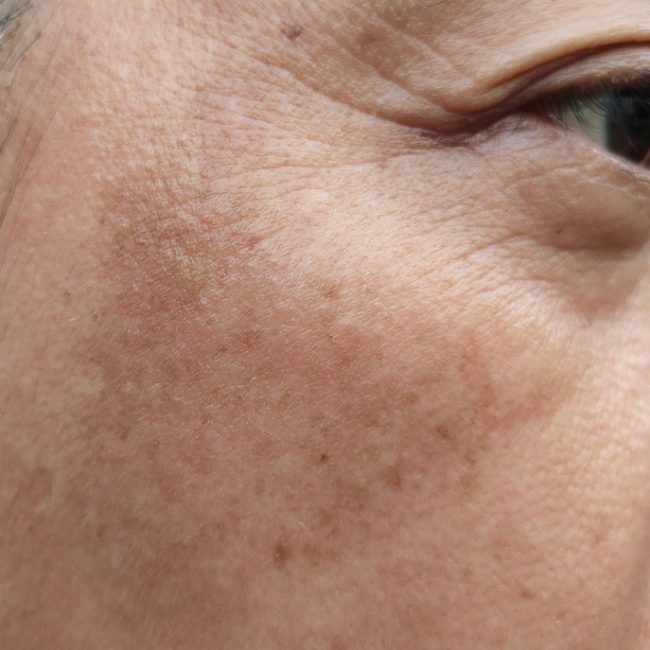
Hyperpigmentation describes areas of skin that appear darker because of excess melanin. Different causes can produce similar-looking discoloration, so the appearance of a spot alone does not tell you which treatment to choose.
Sun spots, also called age spots, often develop on areas with repeated sun exposure. Post-inflammatory hyperpigmentation can follow acne, irritation, or injury. Melasma usually appears as patches and can be influenced by sunlight and hormonal changes.
These concerns do not respond identically to treatment. Have a new, changing, bleeding, or unusual spot evaluated by a dermatologist before pursuing cosmetic removal. Confirming the diagnosis helps avoid treating a medical concern as ordinary pigmentation.
Forever Young BBL for Sun Spots and Pigmentation
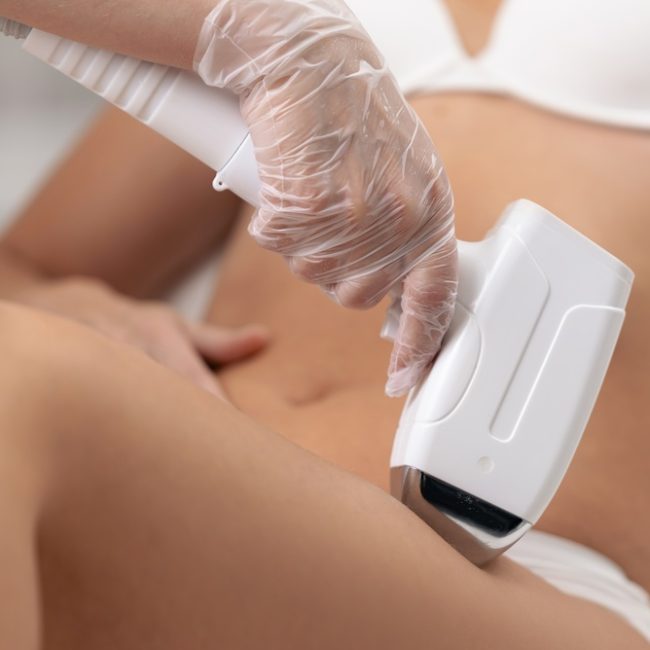
Forever Young BBL uses broadband light to target selected skin concerns, including unwanted pigmentation. Although people often search for “BBL laser,” BBL is a form of intense pulsed light treatment rather than a laser. That distinction matters when comparing how different procedures work.
For appropriate candidates, BBL may improve the appearance of sun spots and uneven tone. Transformed offers Forever Young BBL photofacials, with treatment planning based on your concerns and skin characteristics. Ask which areas can be treated and what improvement is realistic for your type of pigmentation.
A session may involve warmth or a brief snapping sensation. Some treated brown spots can temporarily darken before fading as the skin recovers. Follow the aftercare plan and allow the skin to heal without picking or scrubbing the treated areas.
Laser Resurfacing Options for Tone and Texture
When discoloration occurs alongside rough texture, fine lines, or acne scars, your provider may discuss resurfacing. Transformed lists MicroLaser Peel, HALO, and ProFractional among its aesthetic treatment options. They serve different purposes and should not be treated as interchangeable dark spot procedures.
MicroLaser Peel removes a controlled, superficial layer of skin. It may be considered for surface sun damage and uneven texture, with recovery depending on the treatment depth.
HALO combines ablative and nonablative fractional laser treatment. It may be discussed when pigmentation and textural changes are both concerns. The settings and treatment intensity influence the healing process and expected improvement.
ProFractional creates small treatment channels while leaving surrounding skin untreated. It is primarily a resurfacing option for concerns such as scars and texture; it is not automatically the first choice for an isolated brown spot. Ask how it would address your specific concern if it is recommended.
Which Dark Spot Treatment Is Best for Your Skin?
The best choice depends on the diagnosis, skin tone, pigmentation pattern, and how much recovery time you can accommodate. Someone with discrete sun spots may need a different plan from someone with acne-related discoloration or melasma.
Melasma often requires ongoing sun protection and medical treatment. Laser or light procedures may be added for selected patients, but they are not a universal first step or a permanent cure. A dermatologist can help determine whether a procedure belongs in your plan.
Darker skin tones require careful treatment selection because procedures can trigger unwanted lightening or darkening. Ask about the provider’s experience with your skin tone, potential pigment changes, and whether a test spot is appropriate. A stronger treatment does not necessarily produce a better result.
What to Expect From Treatment and Recovery
Before treatment, discuss your medical history, medications, recent tanning, previous procedures, and reactions to skincare products. Your provider should explain preparation, comfort measures, recovery, and when it is appropriate to resume your normal skincare routine.
Recovery differs by procedure. BBL often involves less interruption to daily activities than resurfacing, but redness and temporary pigment changes can still be visible. Resurfacing can involve peeling, swelling, and a longer healing period depending on the depth and settings used.
Ask how many sessions may be needed, when improvement should become noticeable, and whether maintenance is likely. Results vary, and a treatment series may be recommended. Request an estimate covering the planned procedures and follow-up rather than relying on a general online price.
Can Dark Spots Return After Treatment?
Treatment can improve existing discoloration without preventing every future spot. Continued sun exposure may contribute to new pigmentation, and conditions such as melasma can recur. Protecting your skin remains part of the plan after visible improvement.
Use broad-spectrum sunscreen with SPF 30 or higher, seek shade, and follow your provider’s advice about hats and reapplication. For melasma, ask whether a tinted sunscreen containing iron oxide would be helpful. Gentle skincare and management of ongoing acne or irritation can also support a more even complexion.
Schedule Dark Spot Treatment in Frederick Near Mount Airy
You do not need to decide between BBL and laser resurfacing before your first visit. Start by discussing the spots you want to improve, any accompanying texture concerns, and your expectations for recovery.
Transformed Aesthetic and Wellness Center’s Frederick office is an option for patients coming from Mount Airy and surrounding communities.
Call 240-916-2602 or visit transformedmedspamd.com to request a consultation and explore an individualized treatment plan.